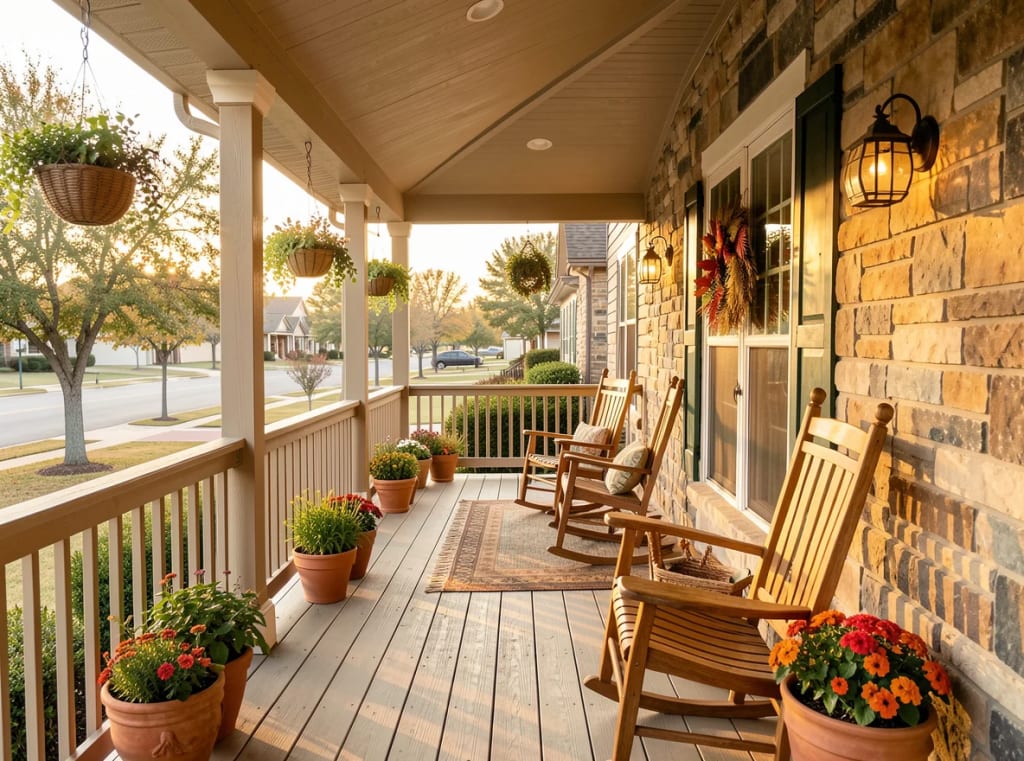

Compare Cedar Park and Leander for move-up buyers in the $500K-$800K range, with practical insight on home styles, lot sizes, schools, parks, commute patterns, and daily lifestyle.
For move-up buyers comparing Cedar Park and Leander, Wimberley offers a very different Hill Country lifestyle to keep in mind. Instead of fast-growing suburban streets and newer master-planned neighborhoods, Wimberley is known for river access, mature trees, scenic drives, and a small-town rhythm that feels more tucked away. Places like Blue Hole Regional Park and the Blanco River help define daily life here, with outdoor recreation and natural beauty woven into the community experience.
This introduction sets the stage for a closer look at what makes Wimberley appealing, from its artistic local character and weekend activity to the range of homes buyers may encounter, including cottages, custom homes, and properties with more land. If you are weighing lifestyle, amenities, and housing options across Central Texas, Wimberley belongs in the conversation as a distinct alternative to the North Austin suburban path.
For move-up buyers in the $500K to $800K range, lifestyle can matter just as much as square footage. Cedar Park generally feels a bit more established and connected, with mature parks, the Brushy Creek corridor, and a daily rhythm shaped by neighborhood amenities, youth sports, and convenient access to shopping and dining. It often appeals to buyers who want a polished suburban setting with a stronger sense of built-in routine and shorter-feeling drives for errands and activities.
Leander offers a different pace. Many buyers are drawn to its newer neighborhoods, wider-open Hill Country edges, and a little more breathing room in the streetscape and surrounding terrain. The everyday feel can be less compact and more spread out, which some households prefer if they want newer construction, larger homes, or a setting that feels closer to open land. In practical terms, Cedar Park often suits buyers prioritizing convenience and established community infrastructure, while Leander can be a better fit for those who value growth potential, newer housing stock, and a more spacious suburban atmosphere.
One of Wimberley’s biggest draws is how much character is packed into a small Hill Country setting. Around the Square and nearby corridors, residents can spend a Saturday browsing locally owned boutiques, gift shops, coffee spots, and art galleries that give the town its creative identity. Wimberley Market Days adds another layer of local energy, bringing shoppers, makers, and visitors together in a way that feels distinctly community-driven rather than commercial.
Outdoor access is just as much a part of daily life. Blue Hole Regional Park offers trails, swimming, picnic areas, and shaded green space, while nearby river settings and scenic drives reinforce the area’s relaxed pace. For buyers considering Wimberley, that mix matters: you get practical everyday amenities, memorable local gathering places, and recreation that supports an active lifestyle without losing the town’s small-scale charm. It is a combination that helps Wimberley feel both livable and special year-round.
For move-up buyers shopping between Cedar Park and Leander, the $500,000 to $800,000 range opens a meaningful step up in space, finishes, and neighborhood setting. In Cedar Park, this budget often buys a more established suburban feel, with brick-and-stone homes, mature trees, nearby parks, and easier access to shopping corridors and Brushy Creek amenities. Buyers may find updated two-story homes, larger family layouts, and communities where daily errands and recreation feel close at hand.
In Leander, the same price point can stretch toward newer construction, larger lots in some areas, and a stronger Hill Country edge with open views, rolling terrain, and newer neighborhood infrastructure. Many move-up buyers compare whether they value Cedar Park’s more settled feel or Leander’s newer-home inventory and room to grow. A smart pricing strategy is to compare not just square footage, but lot usability, commute patterns, park access, and how much updating a home may need. That side-by-side market analysis often reveals which suburb delivers the better long-term fit for your next move.
If you are deciding between Cedar Park and Leander in the $500K to $800K range, start by narrowing the tradeoffs that matter most to your household. In Cedar Park, many move-up buyers focus on established neighborhoods, mature trees, and quicker access to major retail, parks, and commuter routes. In Leander, buyers often gain newer construction, larger floor plans, and in some cases more lot flexibility for the same budget.
Before touring, build a short list based on commute patterns, preferred home age, yard size, and how close you want to be to trails, shopping, and everyday services. Ask your agent to compare recent sales by price band, not just citywide averages, so you can see what $550K, $650K, or $750K actually buys in each market. A local guide can also help you spot differences in tax rates, HOA structures, and neighborhood feel, which often shape long-term satisfaction as much as the house itself.
Cedar Park & Leander Move-Up Homes
Browse active homes in Cedar Park and Leander priced for move-up buyers, with space, layout, and neighborhood options that fit this comparison.
Listing Agent: Tim Behe
Listing Office: Bramlett Partners
Listing Agent: Cecilia Roberts
Listing Office: Coldwell Banker Realty
Listing Agent: Donnie Morrow
Listing Office: Real Broker, LLC
Listing Agent: Jesse Rodriguez
Listing Office: LPT Realty, LLC
Listing Agent: Gene Arant
Listing Office: Keller Williams - Lake Travis
Listing Agent: Meghan Schwarzwalder
Listing Office: Sprout Realty
Sign in with your email address
Enter your email address
Please wait...
You’re being redirected to the page with listing data.